The grain of addiction
In Haiti, rice prices are a political as well as food issue. With nearly ten million people to feed at the time of the report, the country depends heavily on shipments from the United States. The white grain sold on the markets bears the history of lost food sovereignty.
This dependence was not due to a mere consumer preference. The lowering of tariffs, the arrival of US rice backed by the power of its agriculture and the weakening of rural infrastructure have gradually pushed local production off the plate.
Produce or import
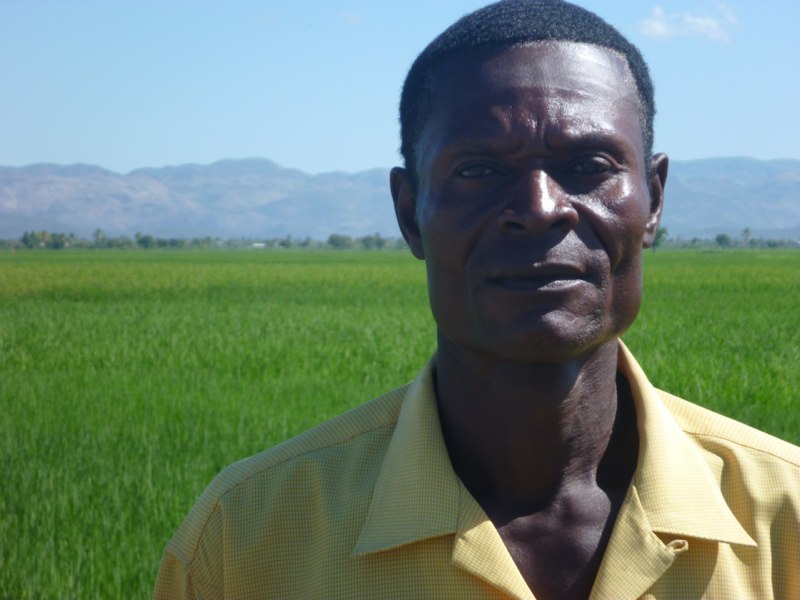
In the Artibonite Valley, producers have to deal with the cost of seed, fertilizer, pumping and transportation. They are not just asking for a better price: they are asking for maintained channels, credit, roads and a public policy capable of giving Haitian rice a chance.
Photo essay


The poor consumer cannot wait for long-term reform. He buys what he can pay today. Any sharp rise awakens the memory of the hunger riots and puts the government before a cruel contradiction: protecting farmers without pushing urban families to hunger.
After the earthquake, food aid responded to a vital emergency. But when donations become a sustainable presence, they can also cause prices to fall and make the recovery of fields more difficult. The report follows this line of fracture between immediate relief and reconstruction of a national capacity.
Reconquer plate
Two visions clash. The first is to guarantee rice as cheap as possible by import. The second sees agriculture as an essential infrastructure, worthy of investment comparable to road and energy investments. In between are the merchants, peasants and families photographed on the ground.
The dilemma is not to choose between an American bag and a Haitian bag. A complete chain must be built: water, storage, processing, transport, financing and trust. Without it, even a good harvest is not enough to make the producer competitive or the consumer safer.
In this report, a daily food becomes the symbol of a country trying to take over its destiny. The question remains: how to feed now, while creating the conditions for Haiti to be able to feed itself more tomorrow?
The original publication
Browse the publication in its original editorial design. The complete PDF is available at the end of the story.


Open the original document
View the story in its original editorial design.
View the original publication ↗