A world at the end of the trap
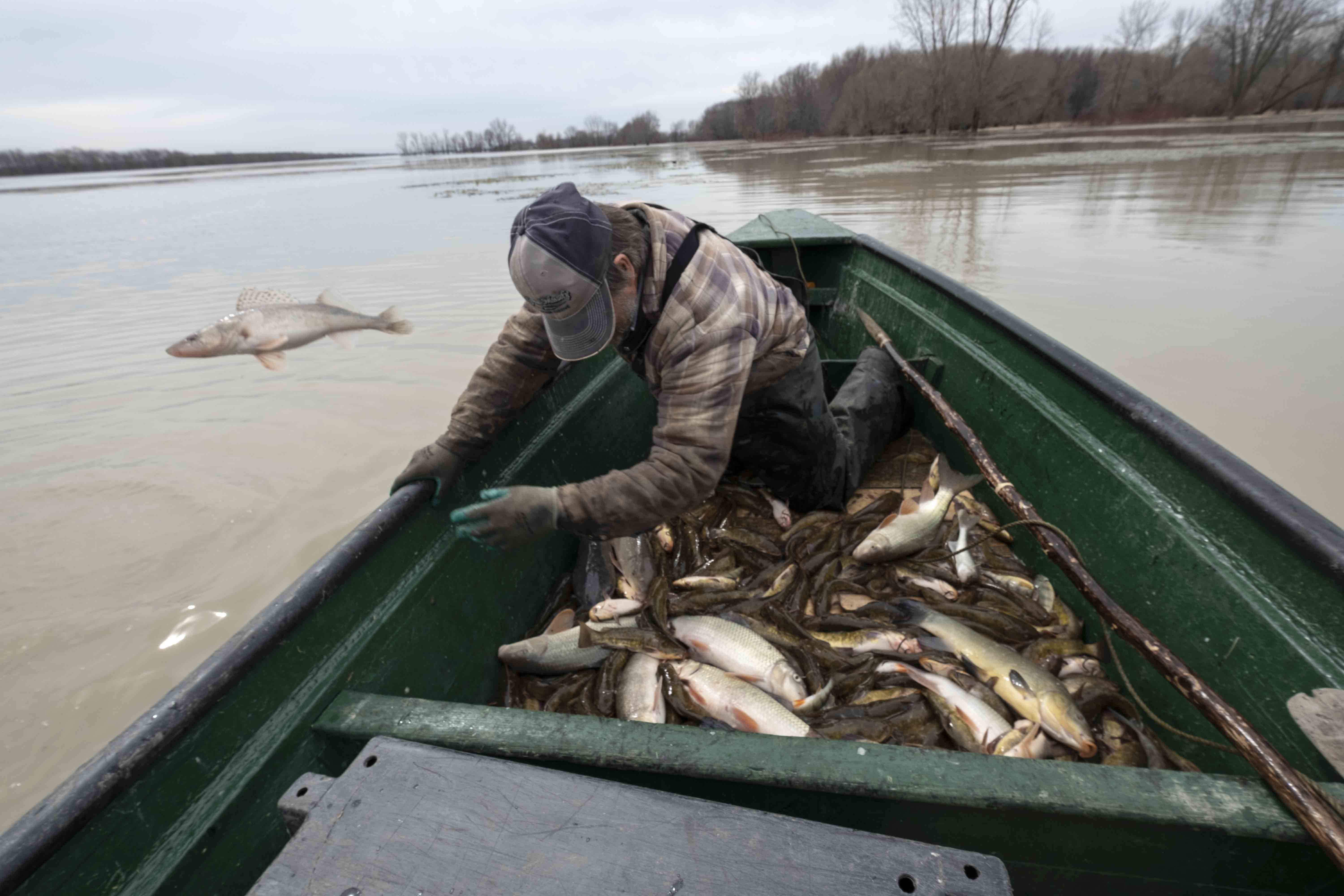
At the bow of his boat, Roger Michaud hauls up a heavy trap alive with fish. At 61, he is one of Lake Saint-Pierre’s last commercial fishers. He works with a traditional funnel-shaped net that guides fish inside without injuring them.
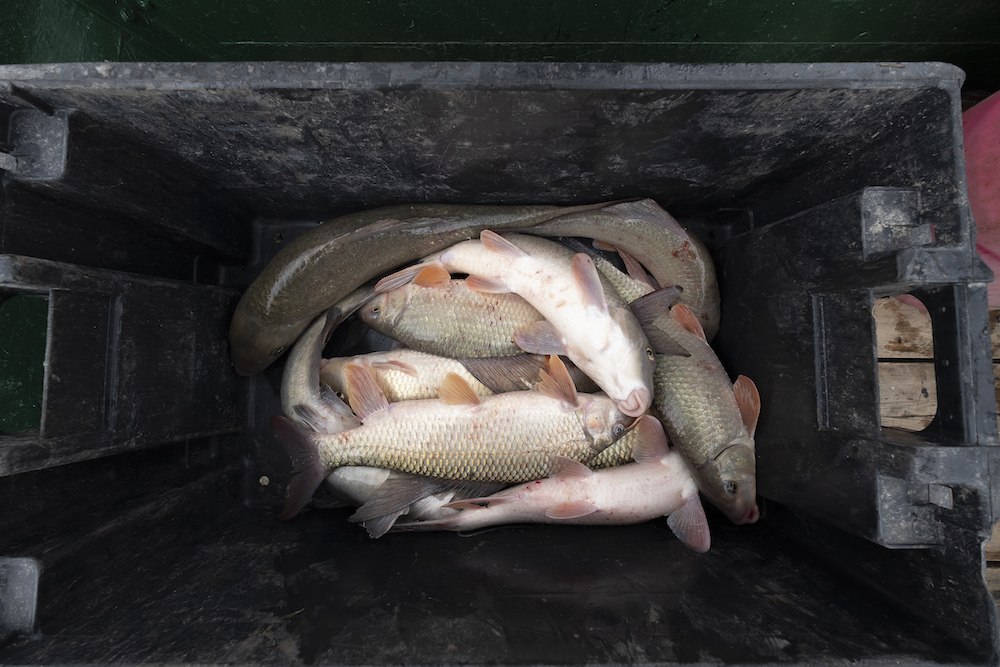
Northern pike, walleye, yellow perch, brown bullhead and sunfish thrash at his feet. It looks like a miraculous catch, yet the boat is only a few hundred metres from the shore of a threatened ecosystem.
Lake Saint-Pierre contains an exceptional share of Quebec’s wetlands and is recognized as a UNESCO World Biosphere Reserve. Louise Corriveau calls it the kidney of the St. Lawrence: a vast living filter whose health affects the entire river.
The indicator fish
Photo essay
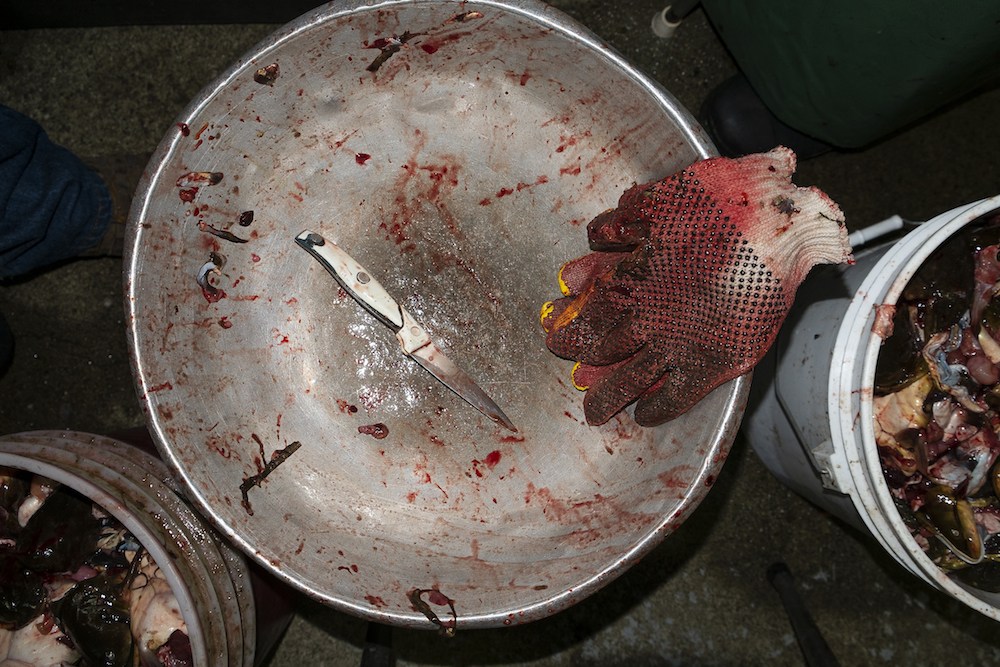
Intensive farming, fertilizers, pesticides, dredging, commercial shipping and upstream dams all exert pressure at once. On the floodplain, the spread of corn and soy has replaced some of the vegetation fish need during the spring flood.
A restoration plan drawing on roughly one hundred studies covers several thousand hectares and more than two hundred farms. It calls for less tillage, continuous plant cover and farming practices that can coexist with wildlife along the shoreline.
Yellow perch has become the indicator species for the crisis. It needs shallow water, a narrow temperature range and submerged plants or branches on which to attach its eggs. A ploughed field provides none of those supports.
What fishers know
Catches collapsed over the decades. Since 2012, moratoriums have prohibited both commercial and recreational yellow-perch fishing. The species once provided half of Michaud’s income; every small perch returned to the water is a reminder of what has vanished.
The fisher nevertheless refuses to blame a single group. He also points to cormorants, dredging, the wake of large ships eroding the banks and dams that regulate the flow. Saving the lake means confronting the whole system, not choosing a convenient culprit.
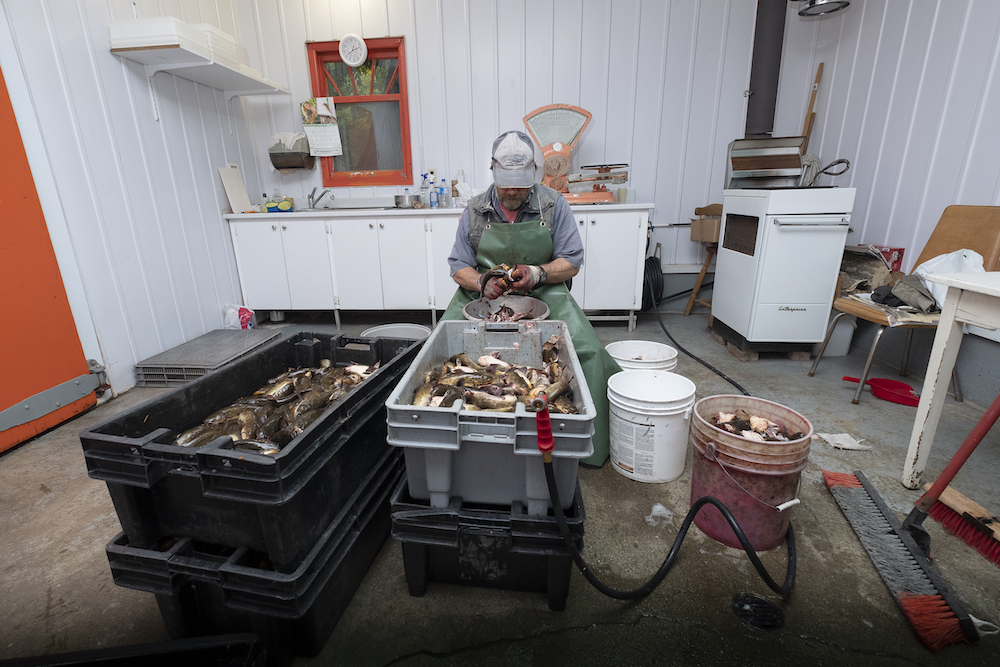
Above all, Michaud wants the knowledge of people who work on the water to be heard alongside scientific expertise. Decades spent reading seasons, spawning grounds and fish cycles form an irreplaceable body of knowledge—just as the profession that created it is disappearing.
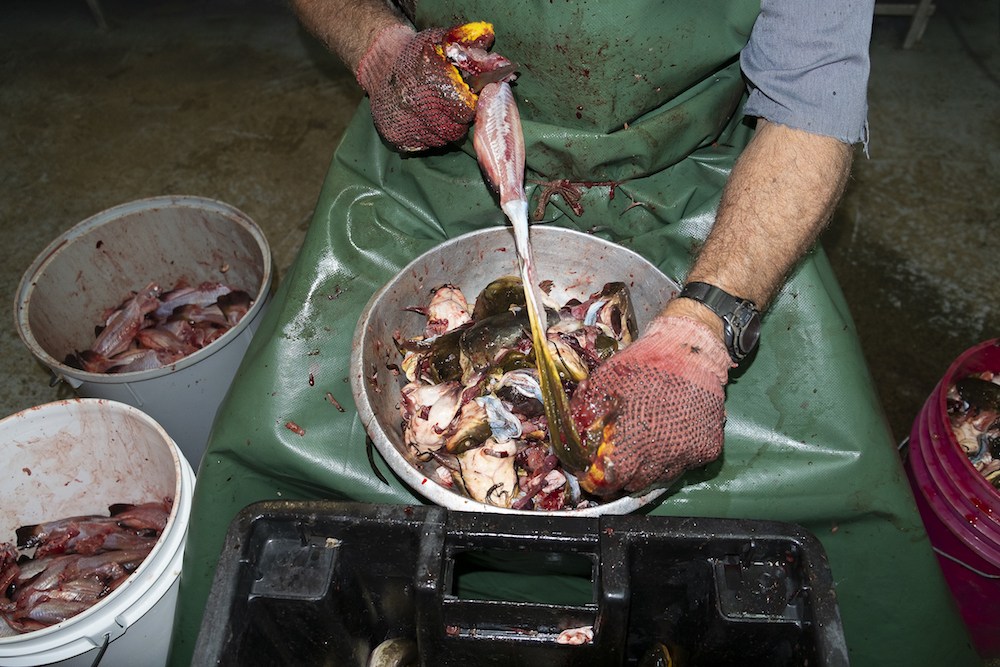
The Last Catch is therefore about two possible losses: an ecosystem and a local food culture. Around Roger Michaud’s trap lies a question both simple and immense: what do we still want to know, eat and pass on from the St. Lawrence?
Open the original document
View the story in its original editorial design.
View the original publication ↗